What is a Cognitive Bias?
A cognitive bias is a systematic pattern of deviation from rationality in judgment. These mental shortcuts can lead to perceptual distortion, inaccurate judgment, or illogical interpretation.
Biases that affect how we make choices and evaluate options, often leading to suboptimal decisions.
Biases that affect how we remember past events, often distorting our recollection of what actually happened.
Biases that affect what we notice and focus on, often causing us to overlook important information.
Biases that affect how we form, maintain, and change our beliefs, often reinforcing existing views.
How our minds take shortcuts
Cognitive biases are systematic errors in thinking that occur when people process and interpret information. They are often a result of the brain's attempt to simplify information processing, acting as mental shortcuts (heuristics) that help us make quick decisions.
While these shortcuts can be useful in many situations, they can also lead to poor judgments and decision-making. Cognitive biases affect everyone, regardless of intelligence or education level.
Understanding cognitive biases is crucial for critical thinking, better decision-making, and recognizing when our judgment might be compromised. By becoming aware of these biases, we can take steps to mitigate their effects.
Cognitive biases differ from logical fallacies in that biases are unconscious patterns of thinking, while fallacies are errors in the structure of arguments.


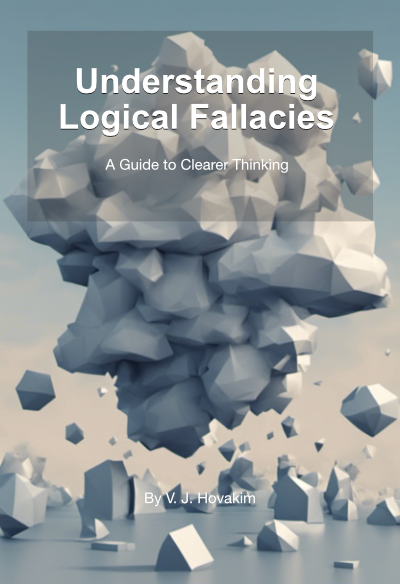
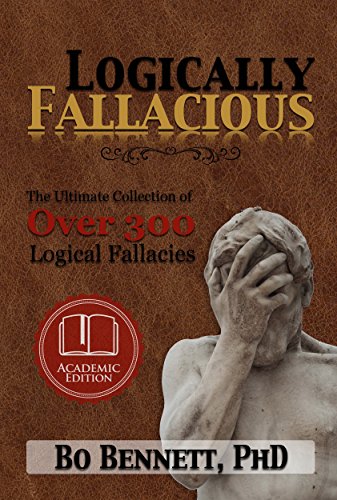
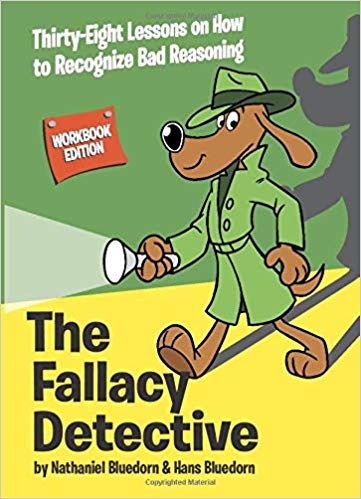
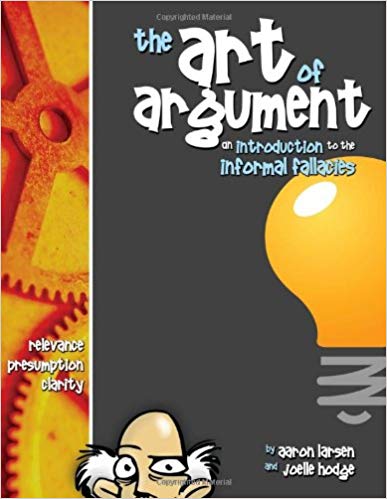
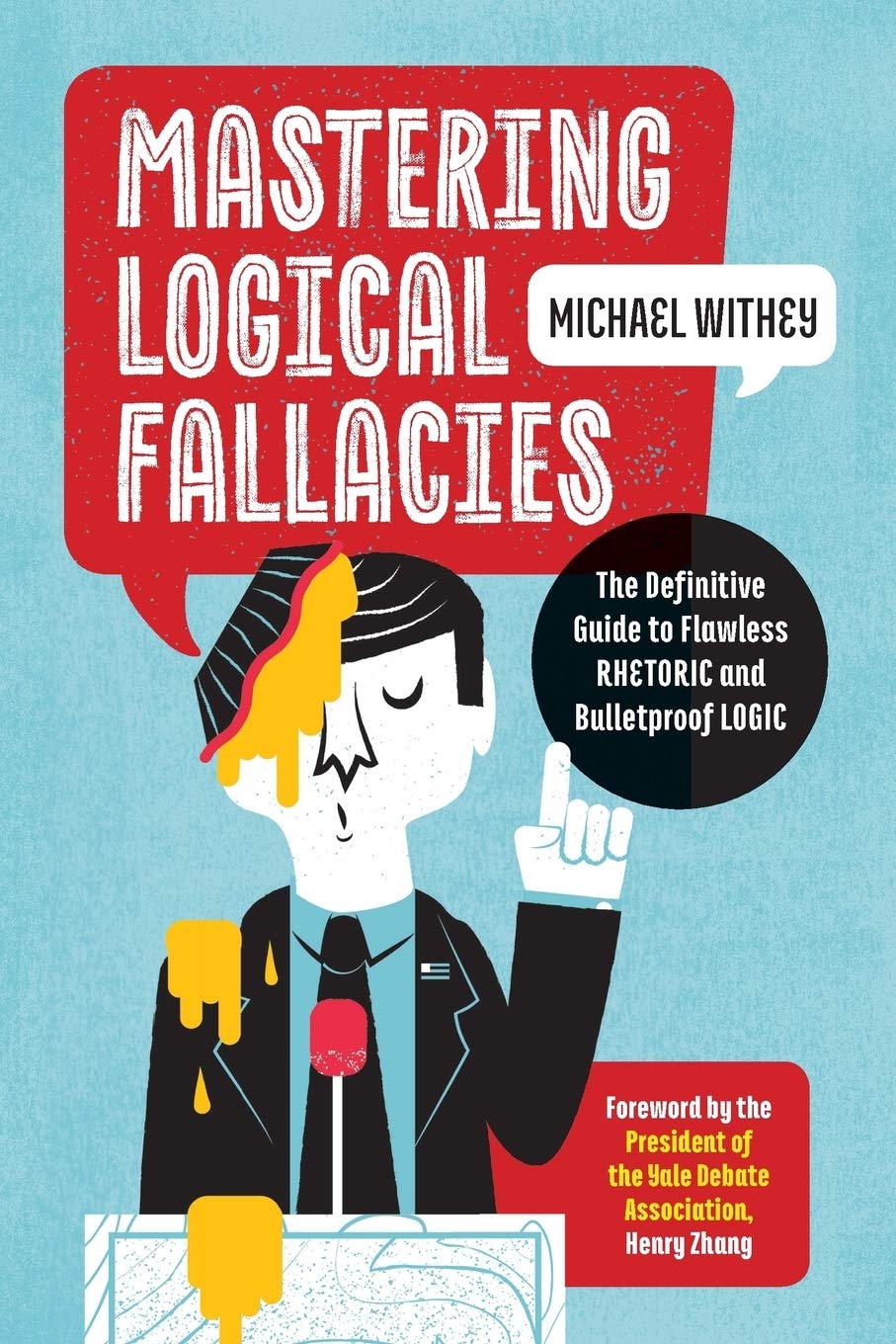
A few books to help you get a real handle on logical fallacies.
The above book links to Amazon are affiliate links. If you click through and make a purchase, I may get a commission from the sale.


Social Biases
5 biasesBiases that influence how we perceive and interact with others, affecting our social judgments and relationships.