
A short list of books that have actually helped people get better at spotting flawed reasoning — ranging from a beginner’s starter to a 300-entry reference. Each entry notes who it’s best for and what to expect.
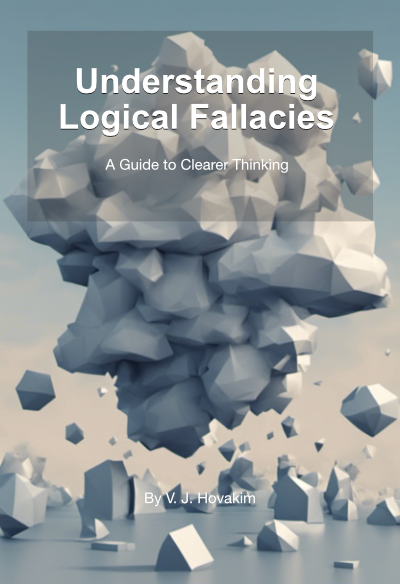
Understanding Logical Fallacies
A common-sense starter
A plain-language introduction to the fallacies that turn up most often in arguments, advertising, and everyday conversation. Each fallacy is paired with relatable examples and a clear explanation of why the reasoning fails.
Best for: readers brand new to fallacies who want a friendly on-ramp before diving into anything more technical.
Buy on Amazon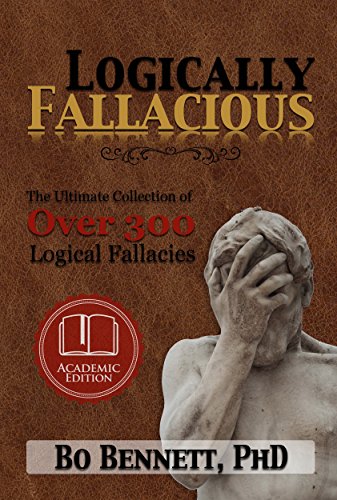
Logically Fallacious
The reference encyclopedia
A comprehensive catalogue of over 300 logical fallacies, each with a formal definition, an example, and notes on subtle variations and common confusions. The tone is reference-book rather than narrative — you don’t read it cover to cover, you look things up.
Best for: debaters, writers, and anyone who wants a serious reference to keep on the shelf for when they need to look something up.
Buy on Amazon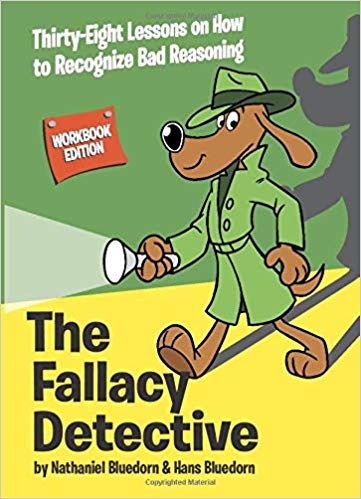
The Fallacy Detective
Thirty-eight short lessons
A classroom-friendly introduction structured as 38 short, illustrated lessons with cartoons and end-of-chapter exercises. Originally aimed at homeschoolers and middle schoolers, but it works just as well for adults who want a gentle, progressive build-up of the major fallacies.
Best for: teachers, parents, and self-learners who like a workbook-style approach with practice problems baked in.
Buy on Amazon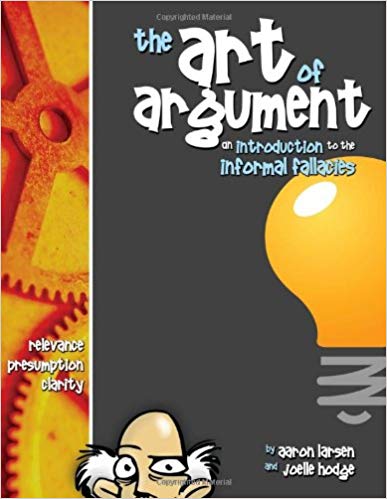
The Art of the Argument
Argumentation as a craft
A polemical examination of what makes an argument valid, what corrupts public discourse, and how flawed reasoning — especially in media and politics — spreads. The tone is sharp and opinionated; the author has a strong rhetorical voice that some readers will love and others will find off-putting.
Best for: readers who want a forceful case for taking argument seriously and don’t mind a strong authorial point of view.
Buy on Amazon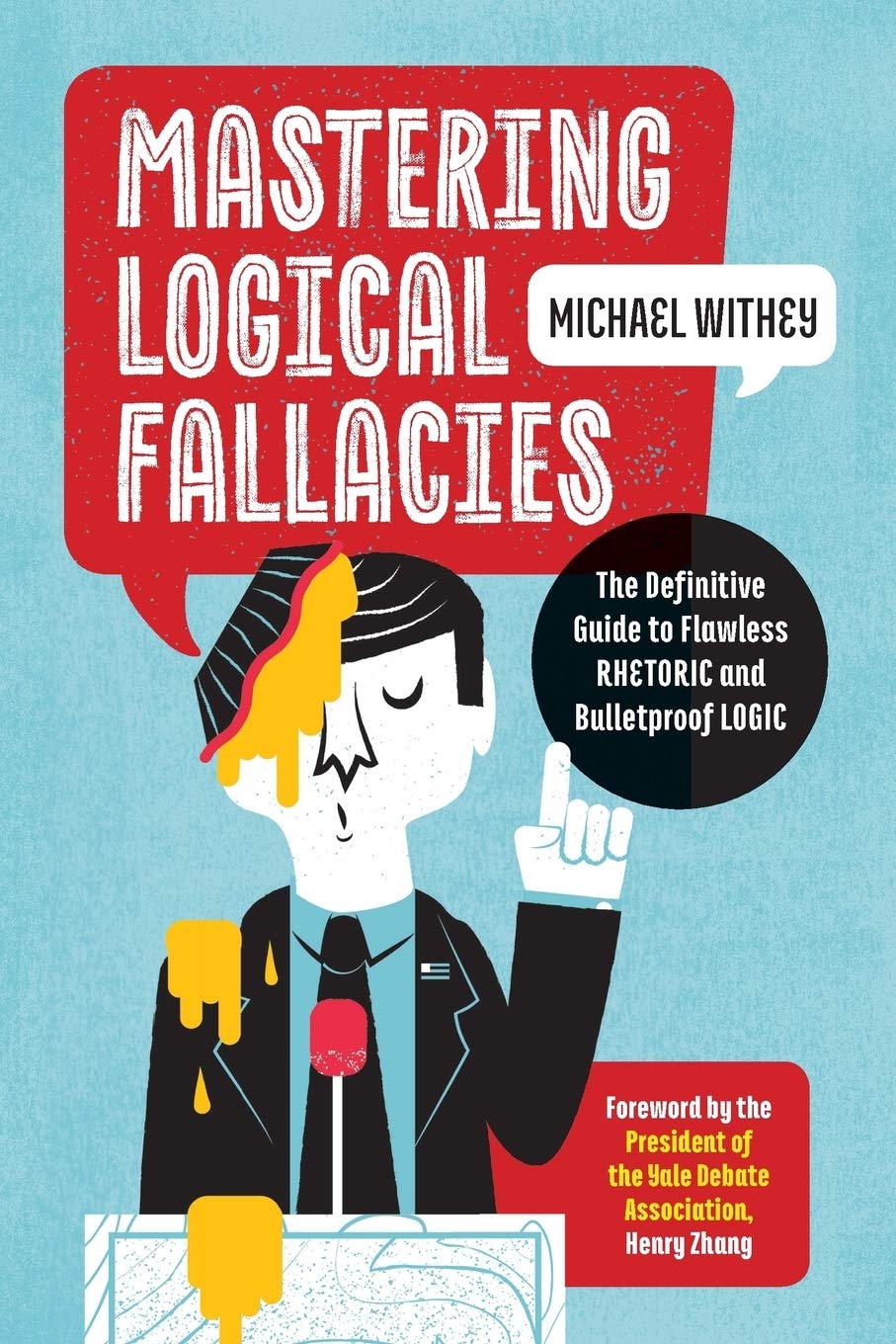
Mastering Logical Fallacies
From identification to application
A practical guide to recognizing fallacies and then using that knowledge in real argumentation — debates, written work, and everyday discussion. Covers the major fallacies with examples and exercises, and explicitly addresses how to counter them when an opponent uses one.
Best for: debaters, students of rhetoric, and writers who want both the theory and the “what do I actually say back?” side.
Buy on AmazonThe above book links to Amazon are affiliate links. If you click through and make a purchase, I may get a commission from the sale.